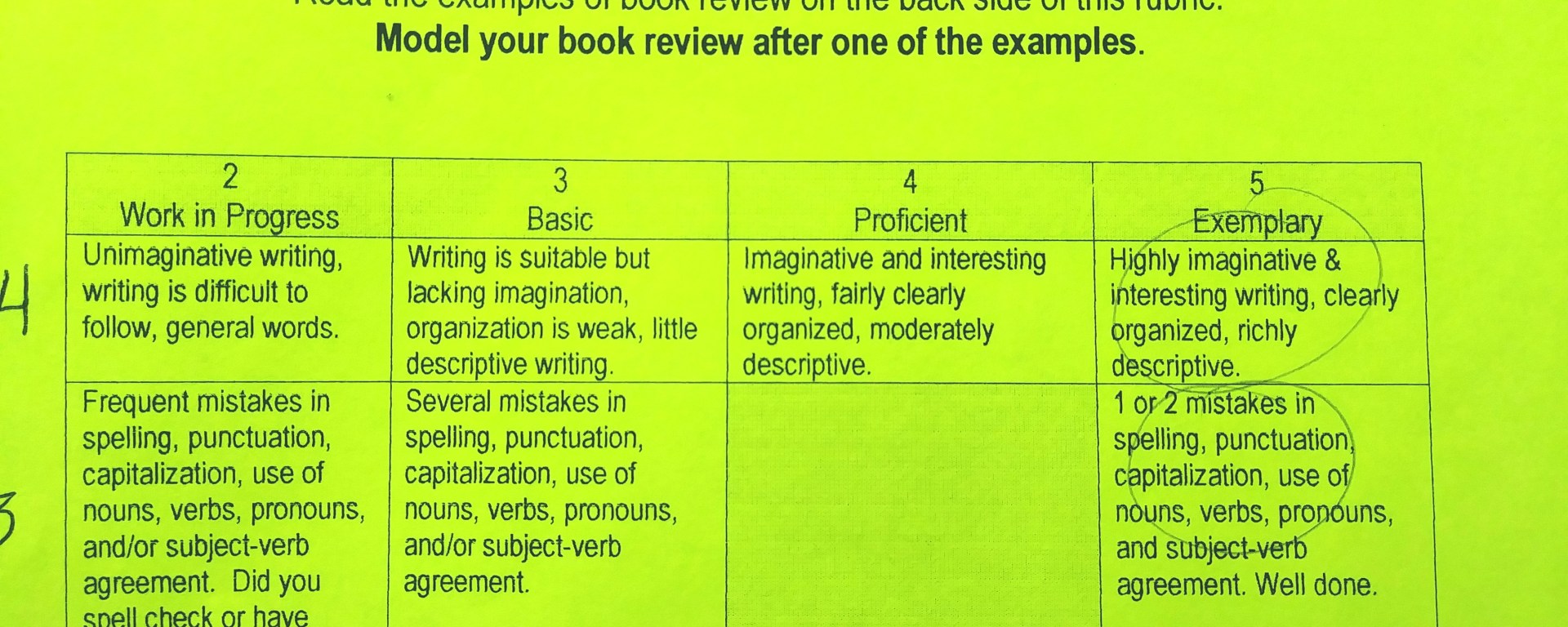
Rummaging through my collection of old writing, I recently came across a one-page book report I wrote in my junior year of high school on The Catcher in the Rye. It’s short, so I included all three paragraphs below:
“The mark of the immature man is that he wants to die nobly for a cause, while the mark of the mature man is that he wants to live humbly for one.” This piece of advice, spoken by the psychoanalyst Wilhelm Stekel, was given to Holden Caulfield by his former English teacher, Mr. Antolini. This quote was significant to Caulfield not because he was the immature or mature man, but because he had not yet chosen which he was to be. The whole book The Catcher in the Rye is about a boy’s wanderings in New York. Though it isn’t said outright, his wandering personifies his own spiritual and intellectual search for something more than what he has, but which at the end of the book, he still hasn’t found.
The book is at first glance a pointless account of the meetings and wanderings of Holden Caulfield, a boy who can’t fight and has consistently flunked out of school after school. The reader gets tired of his constant talk of “phonies” and “morons,” and his perseverance in the face of no sleep is unrealistic. The reader easily finds him or herself hoping Caulfield falls into the pond and drowns when he’s walking around drunk. However, as the book progresses, the reader is able to see that the events related, while meaningless taken individually, as a whole represent an epoch in Caulfield’s life, which is nicely summed up in the quote from Stekel.
Whether or not Caulfield finds what he’s looking for in life is irrelevant to the point of the book, which is the resounding question of, “Which type of man will you be?” Readers who feel lost and confused in life could find a companion in the pages of The Catcher in the Rye by J.D. Salinger. However, those who don’t appreciate a decidedly unintelligent boy talking about whatever pops into his head are cautioned to stay away.
Twelve years later, that scathing review is highly entertaining, and I can hear my English teacher cackling as she read it. I have very vivid memories of hating The Catcher in the Rye, but when I rediscovered this book report I thought, “Maybe after twelve years I’ll have a different perspective.” So I found a copy and reread it.
The book was an absolute slog. Evoking a visceral reaction in a reader is something authors strive for, but my deep-seated frustration with and intense dislike for Holden Caulfield that has solidified with my second reading may not have been what J.D. Salinger had in mind. I had to force myself to read at times and celebrated loudly when I finally finished.
However, as I read I did pick up on a few things I missed the first time through. The first is that Holden Caulfield is mentally ill. This is hinted at throughout the book, but is not something I would have given much thought to as a mentally healthy, frustrated teenager. Salinger slowly reveals Caulfield’s mental turmoil by first introducing a standard purposeless teenager who doesn’t want what the adults in his life say he should want, then shows the reader how Caulfield interacts with people and makes them experience his stream of consciousness thoughts as he slowly spirals.
The stream of consciousness passages were one of the few things I enjoyed about the book. I found them more interesting and easier to read than when he was acting like an absolute idiot around other people. I didn’t realize these passages slowly drew me into his mental illness, subtly making me see things his way. It wasn’t until he was talking with Carl Luce, almost two-thirds of the way through the book, that I realized Caulfield was an unreliable narrator, something I should have picked up on long before given how much I dislike him. I realized that many of the people he interacted with represented brief moments of sanity in an otherwise insane worldview.
This realization helped me understand why I don’t like Caulfield. I’ve never experienced mental illness as it’s portrayed in Caulfield. I’ve never felt lost, or like I’m the only sane one in the room, like he does. I’ve consistently found fulfillment and satisfaction in education and have a moderately successful track record when interacting with people, unlike him. Caulfield has almost the exact opposite background from me. He’s a rich, super privileged individual who grew up in the heart of New York City. I grew up with modest means on a farm in the Midwest. Many of the opinions he expresses contradict much of what I’ve worked for or experienced. The only thing we have in common is our skin color, and that means absolutely nothing. All of this results in my inability to identify with Caulfield and fuels the flames of my visceral dislike for him.
The reader easily finds him or herself hoping Caulfield falls into the pond and drowns when he’s walking around drunk.
Another thing I did appreciate about the book was the vivid way in which Salinger portrays some of the scenes. Some of my favorites are the opening on the hill above the football stadium, Caulfield horsing around in the bathroom with Stradlater, and Caulfield dancing with his sister. I find these scenes extremely relatable and easy to visualize. Who hasn’t felt momentarily separate from the fun, messed around while bored, or goofed around with a beloved sibling or friend? This doesn’t contradict my previous point that I don’t identify with Caulfield. What this does show is that J.D. Salinger is a great author, capable of crafting realistic, sometimes even heartwarming, scenes around an intensely dislikeable character.
I’m not likely to pick up The Catcher in the Rye again. Hell, I’d rather read Twilight again than read this book a third time. My book report from twelve years ago still accurately represents my opinions on Holden Caulfield, and does a better job expressing them than my out-of-practice literary analysis does now. I know there is a lot of symbolism and deep meaning that I’m missing. If you’re interested in that, there are plenty of other analyses and reviews out there from people who like the book way more than I do. I don’t feel like wasting any more of my life on Holden Caulfield.
 Staring Out A Window