This week I returned to metered poetry following a consistent rhyme scheme. I haven’t done one of these for awhile, so I wanted to exercise my poetic thinking muscles. I can normally start out with a good (to my mind) first line, or even a good first verse, but after that things can get…muddled. Poetry doesn’t require each line to be a complete sentence or phrase, but splitting them at awkward places can interrupt the flow, even if you stick to your chosen meter. To much splitting can also confuse the imagery. If a line contains the end of one sentence and the beginning of another, the image in the reader’s head may become blurred. Again, I don’t think there’s anything necessarily wrong with this, but I look at it like poetic soundbites – short and simple and easy to comprehend language and images are probably better than long and complex ones.
I’ve found that trying to read a poem in two different ways can help with comprehension. The first way I read poems is with a slight pause at the end of each line, particularly if the poem is intended to rhyme. This is how I unconsciously read poetry until my AP Literature class in high school, where my instructor encouraged us to read our poems according to the punctuation, not adding pauses at the end of every line, but where commas and periods and semicolons appeared. I try to keep these different ways to read a poem in mind as I write, though I may be too close to the material to really use much of an editorial eye. For instance, when I was reading through this poem earlier, I didn’t particularly notice the rhyming I’d spent so much time on. However, I was reading it as sentences, so depending on how a reader chooses to approach the poem, it may go over better.
There may be some awkward transitions in this week’s poem, and there are times when I didn’t stick to the iambic pentameter I chose, but I think I communicated my topic in a satisfactory way.
Capable
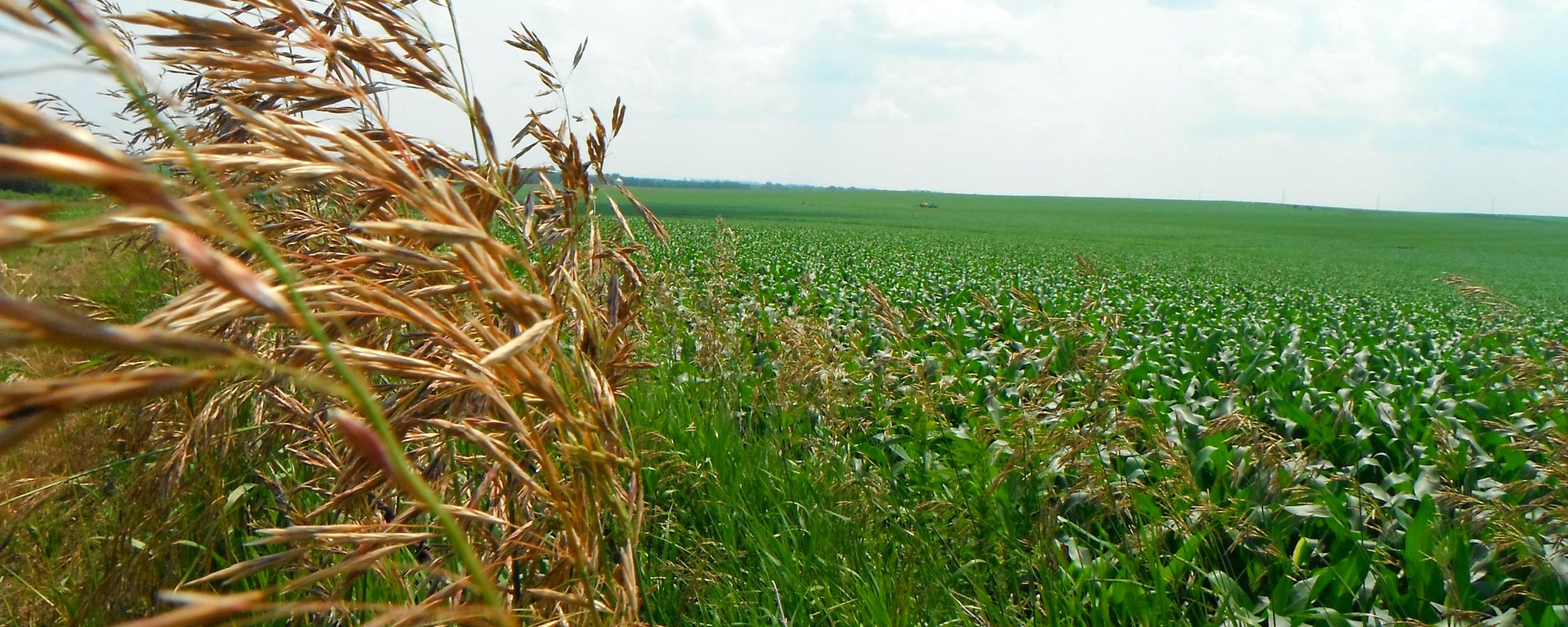
 The wind calls out to me across the fields.
 It swirls through dells, it crests the hills, and shrieks
 Displeasure.  My imagination yields
 To thoughts of arguments with trees and creeks
 And other features where the wind can’t win,
 Like barns and silos, where it blows hot air.
 For trees don’t move and creeks have never been
 Onboard with shunning gravity, aware
 The wind can only ripple surfaces,
 Or bend a branch, or pummel uselessly
 The weathered barn – until its purposes
 Shift.  Constant mocking turns it ruthlessly
 Irate, uprooting trees, depositing
 Their corpses in creeks to clog the current.
 Decaying barns the wind’s admonishing
 Will splinter under – a wooden torrent,
 Haphazard chaos left in vengeful wake.
 Its anger spent, the wind inhales, exhales;
 Displeasure stated, wanders off to take
 A rest, return the borrowed wind to sails.
 Recovery was slow, but memory
 Persisted – fury can fuel destruction
 In anyone, a clam trajectory
 Can hide propensity for eruption.
 Though ridiculed and assigned a label,
 The wind proved itself perfectly capable.
 Staring Out A Window